
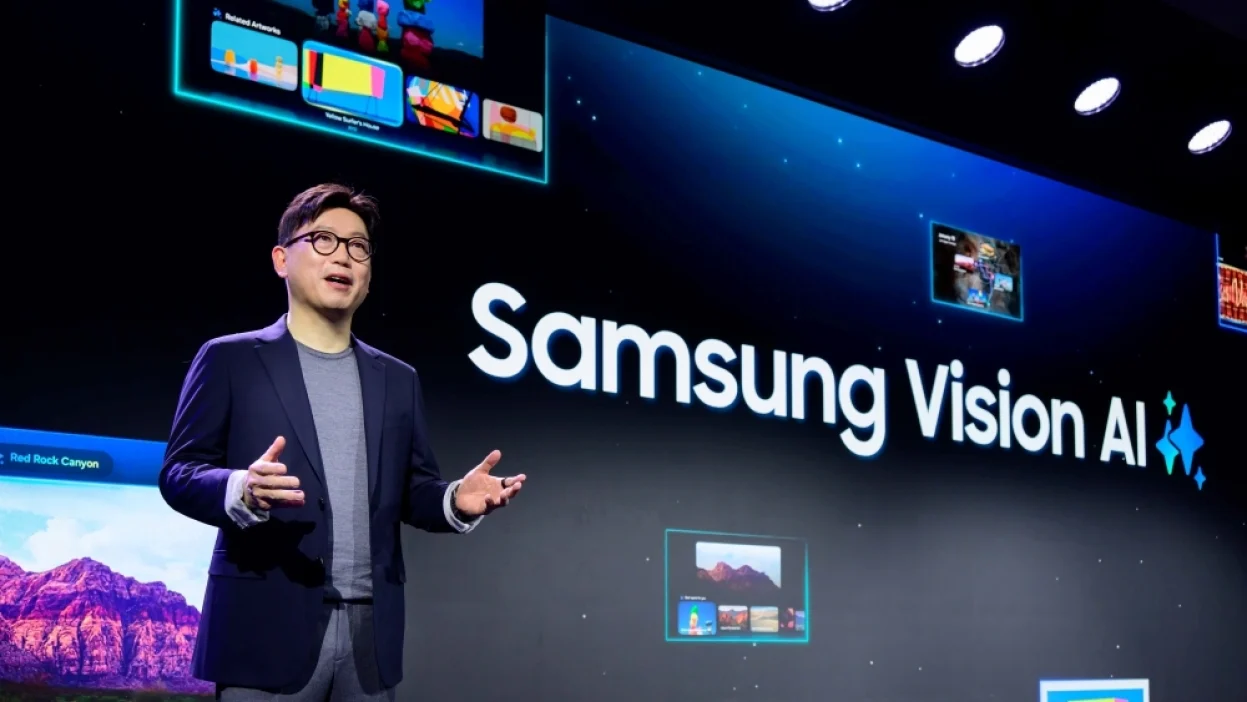
https://malaka555.sg-host.com/ – Samsung has announced that its AI Copilot, previously available on Galaxy smartphones, will now be integrated into Samsung TVs and monitors. This expansion signals the company’s commitment to embedding artificial intelligence across its ecosystem, offering users smarter, more intuitive interactions across devices.
The AI Copilot acts as a personal assistant, helping users with tasks ranging from content recommendations and productivity features to system optimization. By extending this functionality to TVs and monitors, Samsung aims to enhance user convenience, streamline workflows, and create a more connected home and office environment.
Features of AI Copilot on Samsung TVs
On Samsung TVs, AI Copilot offers features designed to elevate the viewing experience. It can recommend content based on viewing habits, adjust display settings automatically for optimal picture quality, and provide voice-assisted navigation.
Additionally, AI Copilot can help manage streaming subscriptions, suggest live events, and even summarize news or sports highlights. The system leverages machine learning algorithms to learn user preferences over time, making the TV experience increasingly personalized and interactive.
Enhancing Productivity on Monitors
For Samsung monitors, AI Copilot is focused on boosting productivity for professionals and remote workers. It can assist with document editing, provide quick access to calendar schedules, automate repetitive tasks, and offer smart notifications.
The integration also includes features for multitasking, such as splitting screens intelligently, suggesting workflow improvements, and even optimizing energy usage. By bringing AI to monitors, Samsung positions its products not just as display devices but as interactive hubs for both work and entertainment.
Implications for the Tech Ecosystem
Samsung’s move reflects a broader trend of integrating AI across device ecosystems. By embedding AI Copilot in multiple hardware categories, the company is creating a seamless, interconnected experience where devices communicate and assist users in a cohesive manner.
This strategy may influence competitors to follow suit, accelerating the adoption of AI across smart devices. For consumers, the benefits are clear: enhanced convenience, smarter recommendations, and improved efficiency. However, it also raises questions about data privacy, security, and the potential for over-reliance on AI systems.
The Future of AI-Powered Consumer Devices
As AI technology matures, companies like Samsung are demonstrating that AI can extend beyond smartphones into daily home and work devices. The expansion of AI Copilot to TVs and monitors shows how artificial intelligence can transform traditional hardware into intelligent, adaptive tools that respond to user needs in real-time.
Looking forward, Samsung may further expand AI Copilot features, including more advanced personalization, predictive analytics, and cross-device integration. For users, this promises a future where AI seamlessly supports entertainment, productivity, and communication across all aspects of digital life.
By bringing AI Copilot to its TV and monitor lineup, Samsung underscores its ambition to create a fully AI-integrated ecosystem, where intelligent assistants enhance user experience and redefine how consumers interact with technology.
0 Comments